Wednesday, 14 December 2016

Wednesday, 7 December 2016
Saturday, 26 November 2016
Wednesday, 23 November 2016
MS3 DETAILED PLAN
INTRODUCTION
Area of Study - Films ( Colombiana 2011 , The Helper 2011 , and NASA 2017)
Research focus - Representation of black Women in Films
I've chosen this texts because they both challenge and they also convey to the stereotypical conventions of how black women are represented in the media specifically in action and sit/com films
Key Theorists ?
Laura Mulvey
The Male Gaze Film represents women as passive objects of male desire. Audiences are forced to view women from the point of view of a heterosexual male even if they are indeed; heterosexual women or homosexual men.
John Berger
“Men look, women appear” Women are there solely for the objectification of women within all platforms of the media.
Bell Hooks
She research about the colour codes :
Lighter skinned women are considered more desirable and fit better into the western ideology of beauty. Black women are objectified and sexualised in hip-hop reflecting the colonialist view of black women (sexually disposable). Commodified blackness, a mediated view of black culture that is considered the norm.
Stuart Hall
The media and therefore audiences often blur race and class. Often associating particular races with a particular class. Audience reception theory; audiences read/understand a particular text according to their cultural upbringing. Western (white dominated) cultures. Continue to misinterpret ethnic minorities in the media due to underlying racist tendencies. Ethnic minorities are often represented as ‘the other’.
Reference:
https://books.google.co.uk/books?hl=en&lr=&id=47gTeoOwJ7EC&oi=fnd&pg=PP2&dq=bell+hooks+black+women+in+media&ots=sRfWzu2nqo&sig=MdqrgeNwzqngksAalL9m5h0PIZA#v=onepage&q=bell%20hooks%20black%20women%20in%20media&f=false
(BOOK BELL HOOKS THE OUTLAW CULTURE)
http://philpapers.org/rec/HOOYRG - Bell hooks Citation
http://www.huffingtonpost.com/2013/10/15/the-images-of-black-women-in-media_n_4102322.html
http://www.blackenterprise.com/lifestyle/portrayals-of-black-women-in-media/
http://www.usatoday.com/story/news/2015/02/11/black-history-black-women/23266115/
http://www.tandfonline.com/doi/abs/10.1080/10253860290031631 - Male gaze
The Helper 2011
Opening Paragraph for the Colombiana and The Help
I will be analyzing the representation of Black women’s body image and the ideologies of what is seen to be “beautiful”, using research and my investigation. To do that I will reference the films “Colombian (2011)” and “The Help (2011)” to establish, to what extent these programs convey to the typical stereotypes of black women. Black women have been typically represented in many films as being unappealing, the mommies, young highly sexual women, the evil black women and the angry women , and both of these films contain these traditional stereotypes , however at the same time they also challenge the traditional stereotypes of black women by using characters that embody stereotypes of patriarchal masculinity.
Wednesday, 12 October 2016

Wednesday, 5 October 2016


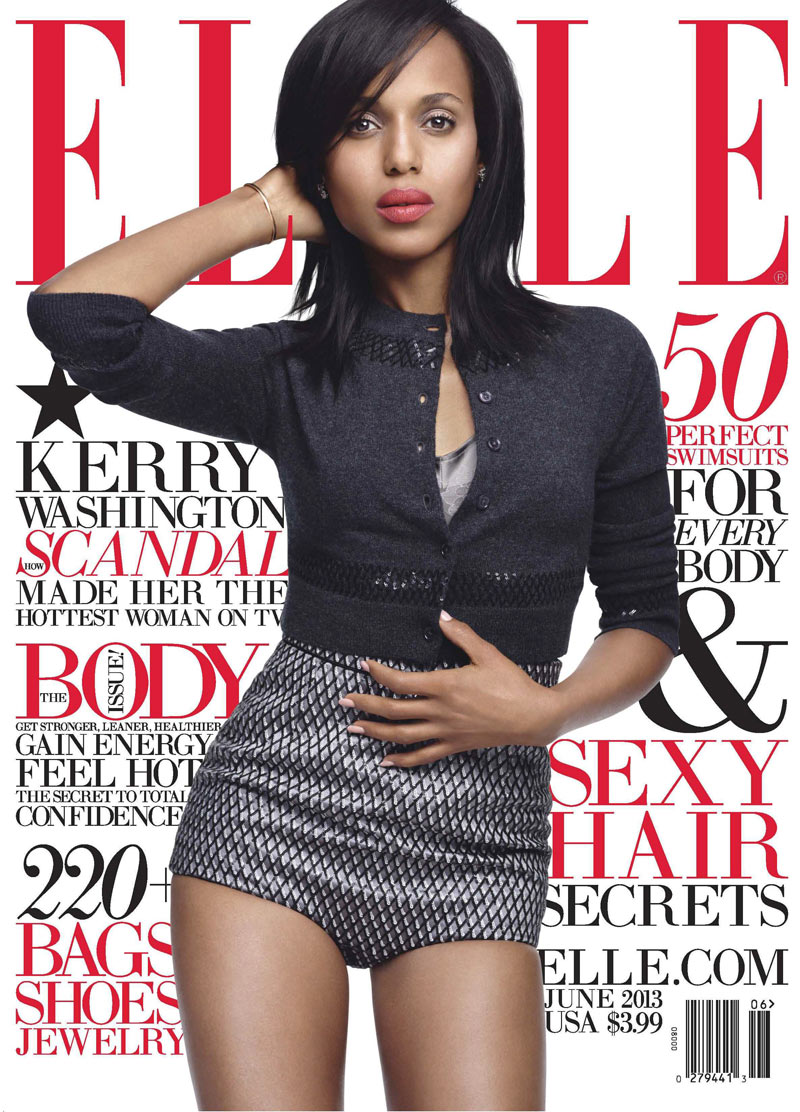
How Black People are represented in Magazines , Adverts , and Films , and why is it such controversial Topic ?
In here you can see 3 different representations of Black women's in different magazines , if you notice they all contain the usual conventions of women , they are all looking directly to the camera to attract the audience , they have the male gaze as their hands and their body are positioned in a seductive way in order to attract the targeting audience .
However I noticed that they are given a more (white) , perspective as there hair is straightened and her faces contain a light pointed to their faces to make them look more whiter , if you notice there is no actually Black women being showed , on the other hand we could say that their representation is quite positive has they are only showing some parts of the body but is not to much .
Subscribe to:
Posts (Atom)